
Event Planning for Local Businesses is a powerful tool to drive community engagement and brand promotion. By understanding business needs, organizers create aligned events that build goodwill and loyalty. Key considerations include demographic targeting, competitive landscapes, and seasonal trends. These events transform charity initiatives into dynamic catalysts, fostering partnerships for mutual growth while enhancing corporate social responsibility, cause visibility, and community connections. Effective budgeting and sponsorship strategies ensure sustainability, with success measured by both event impact and return on investment.
“Unleash the power of community events for local businesses and charities with expert event planning. This comprehensive guide explores strategic approaches to creating meaningful charity events, fostering community engagement, and securing sponsorships. From understanding local business needs to measuring event success, we dissect key components for sustainable fundraising. Discover proven strategies on crafting compelling themes, building partnerships, and maximizing budgets to ensure your next charity event leaves a lasting impact.”
- Understanding Local Business Needs for Event Planning
- Crafting Meaningful Charity Events: Strategies and Themes
- Building Community Engagement Through Event Partnerships
- Effective Budgeting and Sponsorships for Sustainable Charity Events
- Measuring Success: Evaluating Impact and ROI of Organized Charity Events
Understanding Local Business Needs for Event Planning

Local businesses often turn to charity events as a means to connect with their community and promote their brand, making Event Planning for Local Businesses an essential service. Understanding the unique needs and goals of each business is crucial in creating successful events that resonate with attendees and stakeholders alike.
Effective event planning involves collaborating closely with local business owners to tailor activities, themes, and agendas that align with their mission and values. By considering factors such as target audience demographics, competitive landscape, and seasonal trends, organizers can design engaging experiences that leave a lasting impression and foster goodwill within the community.
Crafting Meaningful Charity Events: Strategies and Themes

Crafting meaningful charity events involves more than just raising funds; it’s about creating experiences that resonate with attendees and align with the cause. For local businesses, event planning is a powerful tool to engage customers, build brand loyalty, and foster community involvement. Strategies include integrating themes that reflect the charity’s mission, such as environmental conservation or education, into the event design. This could involve using eco-friendly decor, sustainable catering options, and interactive activities that educate attendees about the cause.
Themes should be chosen based on the target audience and the business’s capabilities, ensuring a cohesive and impactful event. For example, a local café might host a “Taste for Change” event, offering samples of unique dishes from around the world while raising awareness about global hunger issues. By combining delicious food, live performances, and informative talks, they create an engaging experience that leaves attendees inspired to make a difference. Effective charity events thus become platforms for both fundraising and community education, strengthening local business connections within their supportive networks.
Building Community Engagement Through Event Partnerships

Charity events, when expertly organized, can become powerful catalysts for community engagement and goodwill. One effective strategy to foster this involvement is through strategic event partnerships with local businesses. By collaborating, charities can leverage the reach and resources of these establishments, attracting larger audiences and increasing participation rates.
Event Planning for Local Businesses plays a pivotal role in this process. Partnerships allow businesses to showcase their corporate social responsibility and enhance their brand image while providing unique opportunities for employee involvement. This mutual benefit creates a vibrant community tapestry where charitable causes gain exposure, and local businesses strengthen their ties with the community they serve.
Effective Budgeting and Sponsorships for Sustainable Charity Events
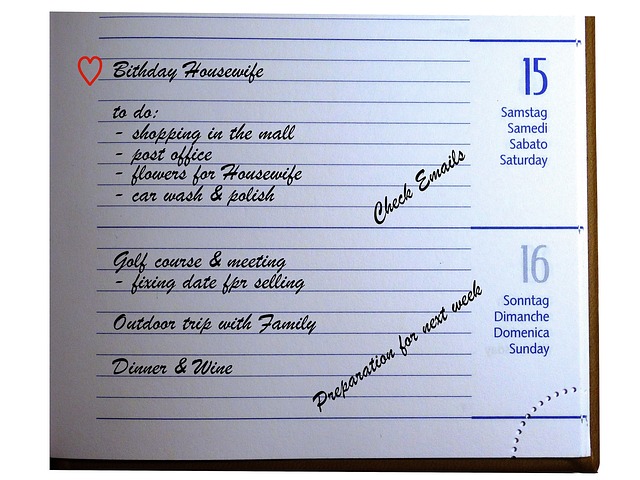
Effective budgeting and securing sponsorships are key components in ensuring charity events are sustainable and successful, especially for local businesses looking to make a significant impact within their communities. When planning such events, organizers should start by creating a detailed budget that outlines all expenses, from venue rental and marketing materials to staff costs and supplies. This step is crucial as it allows event planners to identify potential areas of cost-cutting without compromising the quality of the event.
Attracting sponsors can significantly boost the financial stability of charity initiatives. Local businesses can partner with organizers by providing monetary support or in-kind donations, such as refreshments, venue decorations, or promotional items. Well-negotiated sponsorships not only contribute to the event’s success but also offer branding opportunities for sponsors, making it a mutually beneficial arrangement. Event planners should strategically approach potential sponsors, tailoring their proposals to showcase the positive impact and exposure the partnership can bring to each business’s reputation.
Measuring Success: Evaluating Impact and ROI of Organized Charity Events

Measuring success is a critical component of event planning, especially for charity events designed to make a meaningful impact in local communities. When it comes to evaluating the effectiveness of organized charity events, two key metrics stand out: Impact and Return on Investment (ROI).
Impact refers to the tangible and intangible changes brought about by the event, such as financial support raised for causes, increased awareness among attendees, and community engagement. For local businesses involved in event planning, tracking these impacts can help demonstrate their contribution to social good, foster positive relationships with customers, and enhance brand reputation. ROI, on the other hand, measures the efficiency of the event’s financial performance, calculating the revenue generated against expenses incurred. A well-organized charity event that successfully balances both impact and ROI serves as a powerful example of Event Planning for Local Businesses aiming to make a difference while achieving business objectives.
Charity events, when expertly organized, can be a powerful tool for fostering community engagement and making a significant impact. By understanding local business needs, crafting meaningful themes, building strategic partnerships, and effectively budgeting, event planners can create sustainable and successful charity initiatives. Measuring success through evaluation ensures these events not only achieve their fundraising goals but also leave a lasting positive effect on the community, demonstrating the value of Event Planning for Local Businesses.